
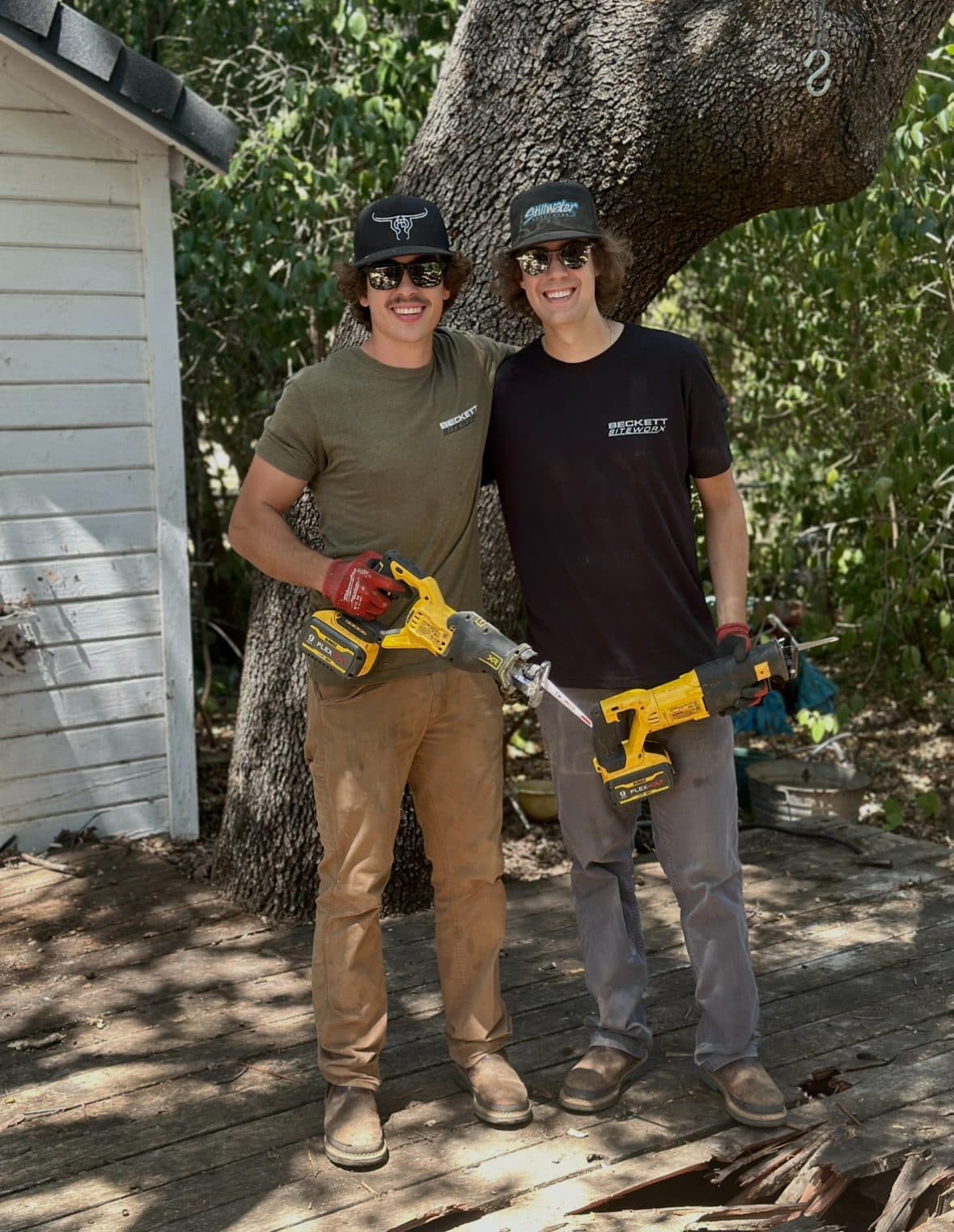
Deck Demolition
Professional deck removal and demolition in Shasta County. Safe and efficient service.
Deck Demolition Services
Deck demolition requires more than just basic tear-out. The structure has to be dismantled safely, the materials have to be removed efficiently, and the surrounding property has to be protected throughout the process. Different deck designs, materials, and site conditions all affect how the removal should be handled. The types of decks we demolish include:
Ground-Level Decks
Ground-level decks are often simpler to remove than raised structures, but they still require planning and labor. Even when the deck sits close to the ground, the framing, surface boards, and footings may all need to be addressed before the space is fully cleared. These projects can also involve built-up debris and weather-damaged materials that need careful handling.
A proper ground-level deck demolition should leave the area clean and ready for its next use. Beckett Siteworx removes the structure, hauls away the debris, and helps clear the footprint so the space can be reused for landscaping, rebuilding, or other outdoor improvements.
Elevated Decks
Elevated decks require a more controlled demolition process because the structure sits above grade and often connects directly to the home. Railings, stairs, support posts, and upper framing all need to be removed in the right sequence to keep the work safe and organized. These structures usually involve more labor and more debris than smaller ground-level builds.
Multi-Level Decks
Multi-level decks are more complex because they include multiple platforms, transitions, stairs, and support points. These structures often require a step-by-step demolition plan to break down each section safely. Their larger footprint and layered design can also add time to the cleanup and hauling process.
A multi-level deck demolition should account for the size of the build and how each section ties into the next. We handle these larger removals in a controlled way so the site stays safer and the project moves forward efficiently.
Wood Decks
Wood decks are common on residential properties and may be built from pressure-treated lumber, cedar, or other traditional materials. Over time, wood can rot, split, warp, or weaken from weather exposure. When that happens, demolition may be the better option instead of continued repairs.
Composite Decks
Composite decks can look durable, but older systems can still become worn, unstable, or outdated. These materials may not break down the same way as standard wood, and the structure beneath them may still suffer from age, movement, or water damage. That makes the demolition process a little different than a basic wood deck removal.
Beckett Siteworx handles composite deck demolition with the right approach for the surface materials and the framing underneath. The project is planned around safe teardown, proper debris handling, and efficient cleanup once the structure is removed.
Attached Decks
Attached decks connect directly to the home, so removal must be handled carefully around the connection points. Ledger boards, flashing areas, stairs, and adjoining surfaces all require attention to ensure demolition does not cause avoidable damage. This is especially important when the deck sits against siding, doors, or finished exterior areas.
Need deck demolition help?
Free estimates · Same-day service available
Cost of Deck Removal
Deck removal costs can vary depending on the structure's size, the materials involved, and the job's difficulty. Some projects are simple and quick to complete, while others require more labor, more hauling, and more planning before work can begin. Factors affecting the cost of deck removal include:
- ✓Deck Size: Deck size is one of the biggest factors affecting removal cost. Larger decks take more time to dismantle and create more debris that must be loaded and hauled away. A small platform deck will usually involve less labor than a larger wraparound or multi-level structure.
- ✓Deck Condition: The deck's condition can affect how easily the structure comes apart. A rotted or severely deteriorated deck may break down more quickly in some areas, but unstable sections can also require greater caution during demolition. Stronger, well-built framing may take longer to remove, even if the deck is no longer safe to use.
- ✓Material Type: Wood, composite, metal hardware, concrete footings, and other materials all affect the cost of removal. Heavier materials or mixed-material structures often create more work and more disposal needs. The type of decking and framing also influences how much labor and hauling the project will require.
- ✓Site Accessibility: Access to the deck plays a major role in the efficiency with which the job can be completed. A deck in an open backyard is easier to work on than one tucked behind fencing, landscaping, or narrow access paths. Limited access often increases labor time because materials must be carried farther or removed more carefully.
- ✓Terrain and Site Conditions: Decks built on slopes, uneven ground, or difficult terrain often require a more controlled approach. Site conditions can affect footing removal, equipment placement, and how the crew moves debris away from the structure. Challenging terrain can add time and effort to the overall project.
- ✓Disposal Requirements: Disposal costs vary with the amount and type of debris removed. Some materials may be handled differently based on local disposal rules or recycling options. Larger loads and heavier debris usually increase the overall cost of hauling and disposal.
- ✓Attached Features and Extras: Built-in benches, stairs, railings, skirting, pergola features, and other add-ons increase the amount of material that has to be removed. These added components also make the structure more complex to dismantle. The more features the deck has, the more labor the project usually requires.
When Is the Right Time to Remove a Deck?
Deck removal is often easier to plan when the warning signs are addressed early. Waiting too long can make the project more urgent, more expensive, and more disruptive than it needs to be.
When the Deck Has Visible Rot
Visible rot is one of the clearest signs that a deck may need to be removed. Soft boards, decaying posts, and moisture-damaged framing can all weaken the structure over time. Once rot spreads through key areas, replacement often makes more sense than ongoing repair.
When the Deck Feels Unsafe
Loose railings, unstable stairs, shifting boards, and weak framing can create real safety concerns. If the deck no longer feels solid under normal use, removal may be the safest option. Structural problems should not be ignored once they begin affecting stability.
When Repair Costs Keep Adding Up
There comes a point where repeated deck repairs no longer make practical sense. If the structure needs major board replacement, railing work, framing repairs, and surface updates all at once, the total cost can get too close to replacement value. Removing the old deck may be the more sensible long-term decision.
When the Deck No Longer Meets Your Needs
Some decks are not damaged but are simply outdated, poorly placed, or no longer useful. A structure that limits how you use the yard may be worth removing even if it is still standing. In those cases, demolition helps make room for a better use of the space.
Have questions about deck demolition? We're here to help.
Call (530) 605-6555FAQ
Frequently Asked Questions
Get Your Free Quote
We respond within 2 hours
Service Areas
Deck Demolition — Cities We Serve
Beckett Siteworx provides deck demolition to communities throughout Shasta and Tehama County. Click your city below for local details.
More Services
Related Services
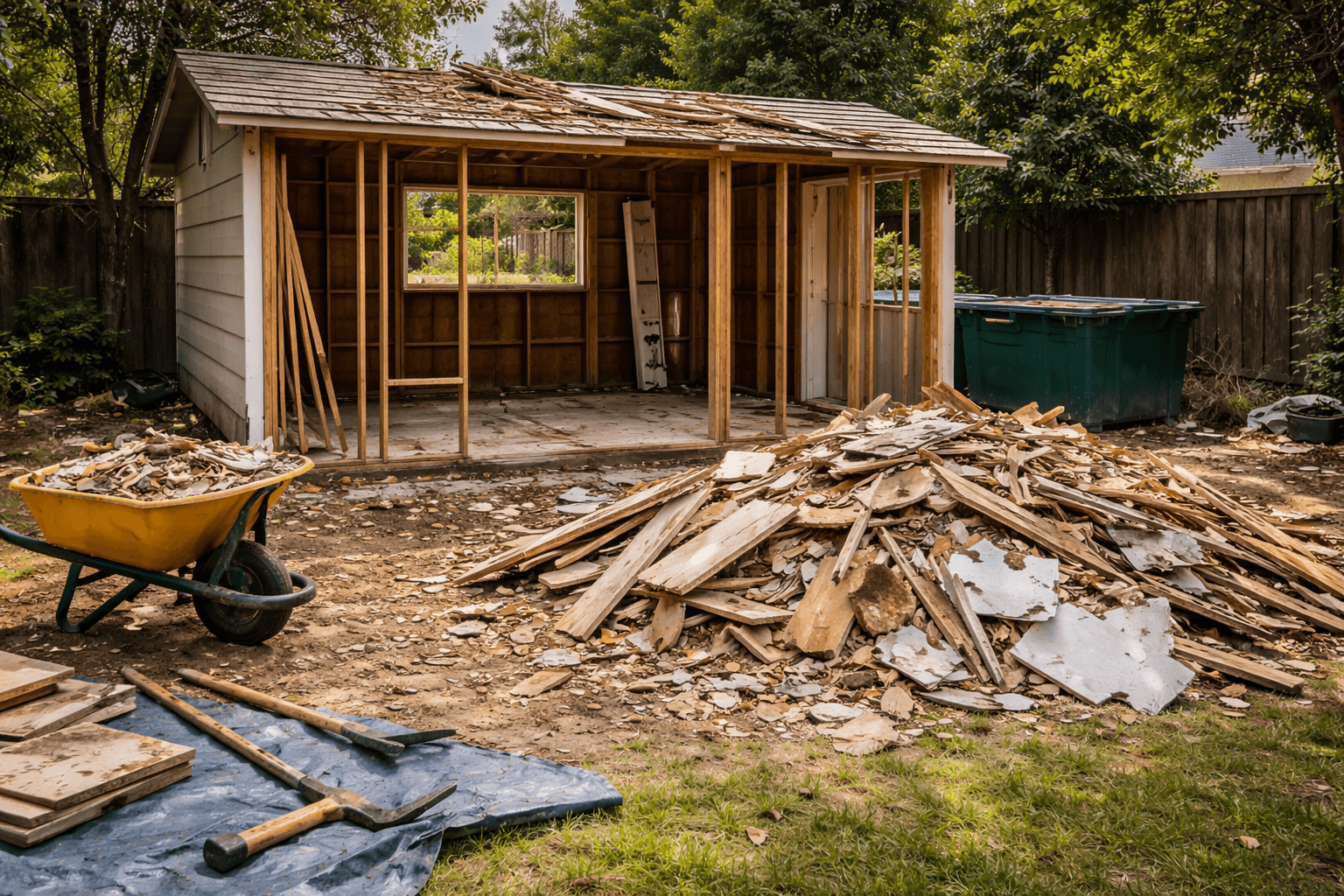
Demolition & Teardown Services
Professional demolition and structure removal in Shasta and Tehama County. Licensed and insured.
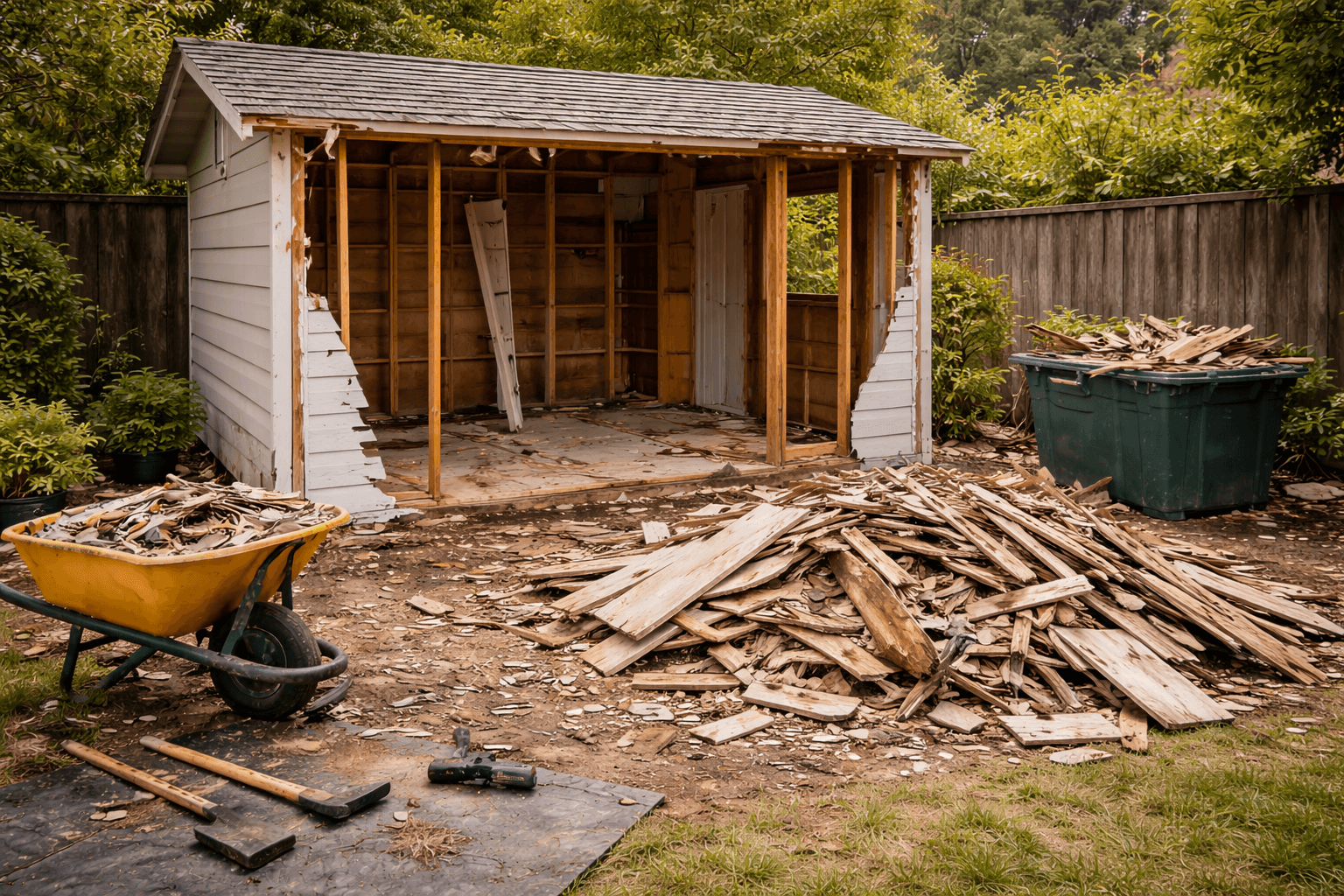
Shed Demolition & Removal
Professional shed removal and demolition in Shasta County. Quick and efficient service.