5146 Scottdale Ln, Anderson, CA 96007Open 24 HoursCSLB #1147705
What property owners need to confirm before crews and equipment are scheduled.
For properties in unincorporated Shasta County, demolition generally requires a permit from the Shasta County Building Division before work begins. Getting permission to remove a structure can involve more than filling out a permit application. The County may need information about the structure, what will remain on the property, utilities, wells, septic systems, grading, and other site conditions before the project can move forward.
Understanding those requirements early can prevent a demolition project from stalling after equipment and crews have already been scheduled.
Beckett Siteworx provides demolition services throughout Shasta County, and a clear understanding of the property and scope of work is an important part of planning the teardown correctly from the beginning.
In Shasta County, the agency that issues your demolition permit depends on where the property is located. Properties in unincorporated Shasta County are handled by the Shasta County Building Division, while properties inside incorporated cities such as Redding, Anderson, or Shasta Lake may need to go through that city’s own building department.
The property address and Assessor’s Parcel Number can help confirm which jurisdiction has authority before you begin the application. That distinction matters because permit forms, submittal requirements, inspections, and local review procedures can differ between the County and individual cities. Confirming the correct permitting agency first can save time and prevent an application from being submitted to the wrong department.
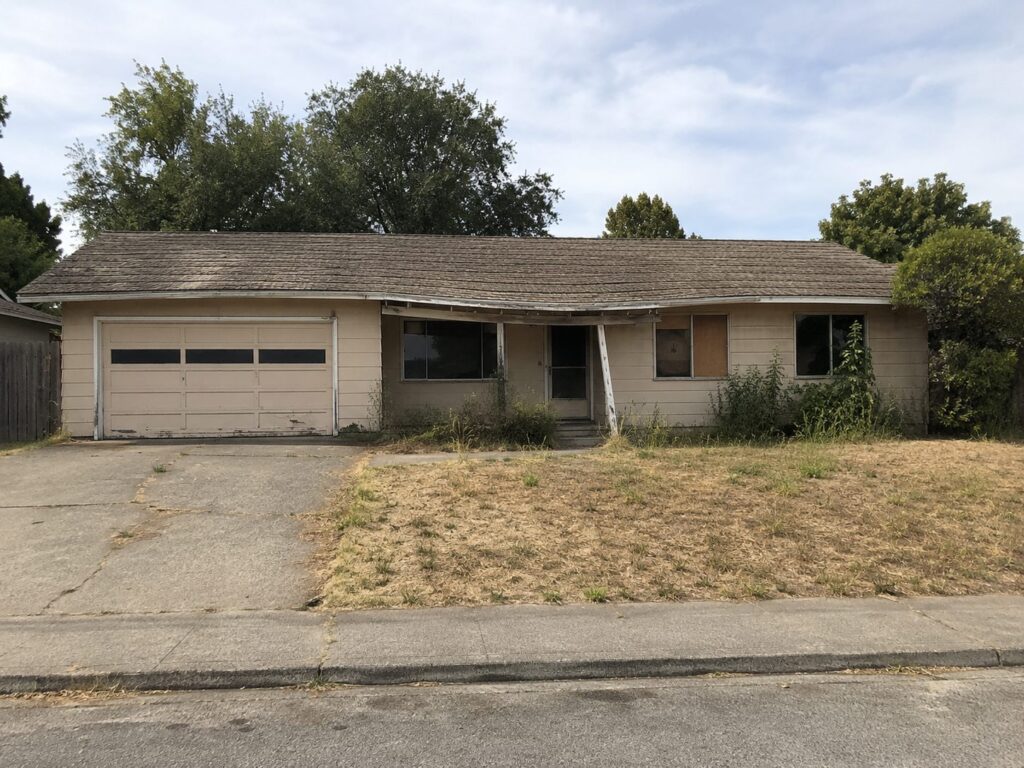
Check whether the parcel falls inside an incorporated city boundary or an unincorporated part of the county. The most reliable way is to look up the parcel using its address or APN and verify the jurisdiction shown for that property rather than relying on the mailing city alone.
If the boundary or jurisdiction is unclear, contact the permitting office before preparing the application and ask them to confirm which office is responsible for that specific parcel. This is especially useful for properties near city limits, where the mailing address may not accurately reflect which agency has permitting authority.
Not sure who to call?
For a demolition permit, Shasta County generally requires sufficient information to identify the property, specify what is being removed, and show what will remain after demolition. The application and demolition plot plan are the main documents used to establish that scope.
The building permit application provides the basic project information, including the property owner, project address, assessor’s Parcel Number (APN), applicant, contractor (where applicable), and the description of the demolition work.
Submitting the application does not authorize demolition. The permit must be reviewed, approved, and issued before work can begin. If additional information or agency review is required, those items may need to be resolved before issuance.
Shasta County also requires a plot plan showing the property before demolition and the conditions that will remain afterward. This is particularly important when only part of a property is being cleared.
For example, a house may be removed while a detached garage, driveway, well, septic system, or another structure remains. The plot plan should make those distinctions clear. Shasta County recommends presenting the property as if viewed from above, so the layout and proposed changes are easy to understand.
Preparing the plot plan can also uncover issues that need to be addressed before demolition. A septic disposal field may be located in the equipment access path, or a utility serving the structure being removed may also serve another building that is staying. Identifying those conflicts before demolition begins can help prevent unnecessary delays or damage.
Receiving the permit does not mean the next step is automatically to begin tearing down the building. Approval establishes the conditions under which the project can proceed. Those conditions need to be understood before work starts.
A demolition project will generally move through several stages after permit approval.
Review the issued permit and any required approvals before scheduling demolition. Make sure the approved scope matches what is actually intended to be removed.
Changes made after approval can cause problems if the crew begins removing structures or site features shown as remaining on the submitted plans.
Utilities serving the structure need to be addressed before demolition reaches them. Depending on the property, that may include electrical service, gas, water, sewer, and communication lines.
The important issue is not simply whether utilities exist, but what is supposed to happen to them. A service may need to be disconnected completely, capped, relocated, or preserved because another structure or a future project will continue to use it.
The demolition plan should identify buildings and property features that are not part of the teardown. Those may include another structure, a driveway, a well, a septic system, a retaining wall, fencing, landscaping, or other improvements.
Access and equipment movement should be considered with those features in mind. Selective demolition requires a clear line between what is being removed and what the property owner expects to remain when the job is finished.
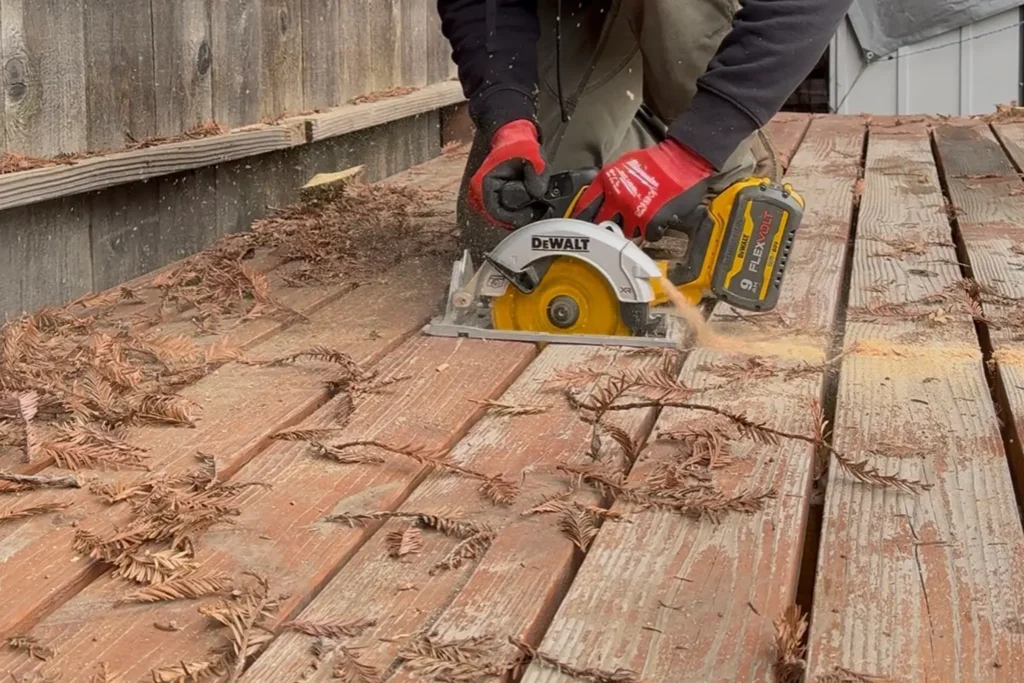
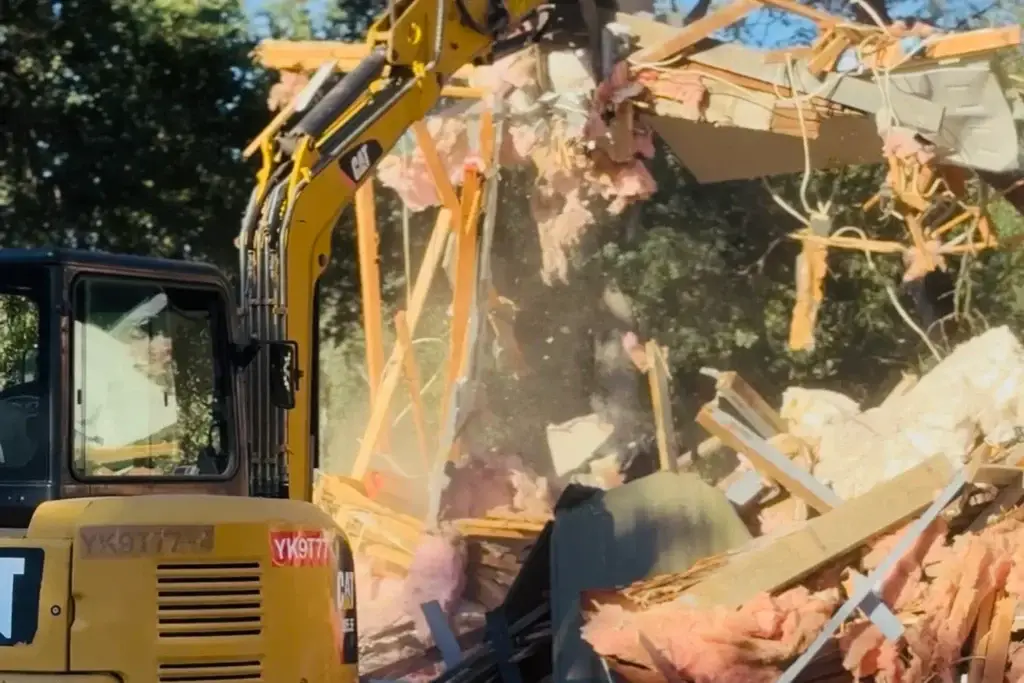
Once the necessary conditions have been met, the physical demolition can begin in accordance with the approved scope. The structure may need to be dismantled in stages depending on its construction, location, nearby improvements, access, and the equipment being used.
Beckett Siteworx handles structure removal, debris hauling, and cleanup as part of its demolition services, allowing teardown and physical site clearing to be planned as part of the same project.
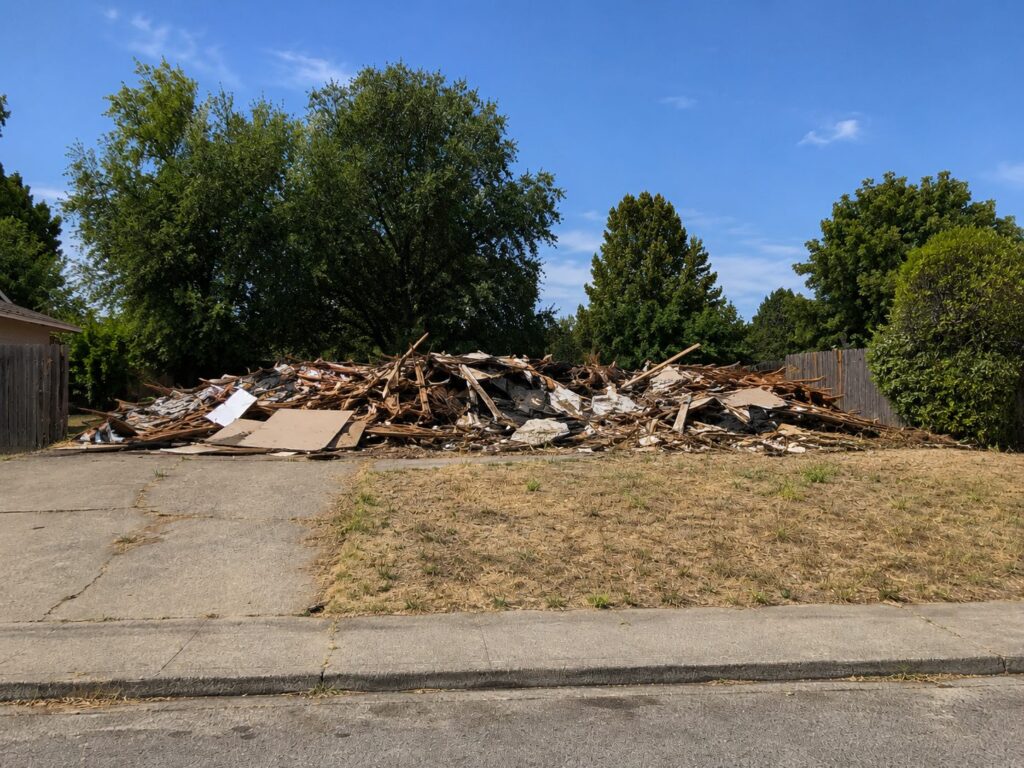
A demolished structure can yield considerably more material than its size would suggest. Wood framing, roofing, concrete, siding, drywall, fixtures, metal, glass, and other materials must be removed from the work area.
Debris removal should therefore be part of the home demolition plan from the beginning, not something considered only after the structure is down.
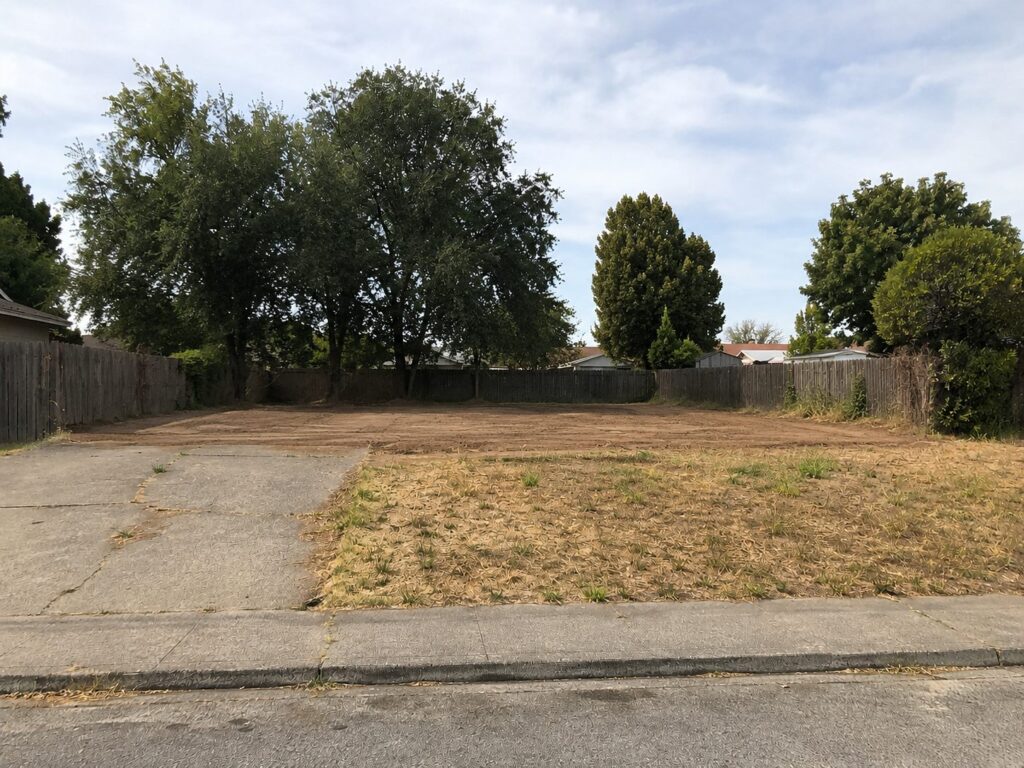
Removing a structure may leave behind a foundation, depressions, disturbed soil, or changes in the way water moves across the property. Depending on the project, additional work may be needed to leave the site in the condition required by the permit or to make it ready for its intended next use.
Shasta County’s plot plan instructions specifically address grading, drainage, cut-and-fill areas, and other site conditions, where applicable. These details matter because removing the structure is only one part of determining how the finished property will look.
Do not overlook the final inspection. A structure being physically gone does not necessarily mean the permit process is finished.
In Shasta County, the demolition permit serves as a record that multiple agencies can use to confirm that buildings and their prior uses have been removed from the parcel. After the final inspection, the County notes that different agencies may also apply certain development impact or Department of Education school fee credits to the property.
That gives the final inspection importance beyond simply closing paperwork. It creates an official record of what was removed and helps establish the property’s condition for future development or permitting.
A demolition project is easier to plan when the paperwork and site conditions are understood before equipment arrives. Confirming jurisdiction, defining exactly what will be removed, preparing an accurate plot plan, identifying what must remain, and understanding the steps required after approval can prevent avoidable complications once work is underway.
Beckett Siteworx provides demolition and structure removal throughout Shasta County, including teardown, debris hauling, and site cleanup. If you are preparing to remove a house, garage, shed, barn, deck, or another structure, defining the complete scope of the job before demolition begins gives everyone involved a clearer plan for what happens next.
Planning a teardown in Shasta County?